Pongamia Oil · HEFA Input
Pongamia Oil for SAF — Export Supply for Australian Refiners
Turning Pongamia oil into Sustainable Aviation Fuel depends on feedstock quality as much as feedstock category. Ranjit Oil Mills India presses and exports Pongamia oil for SAF to a specification built around HEFA hydroprocessing requirements.
Pongamia oil for SAF is non-edible Karanja oil processed to the quality parameters HEFA hydroprocessing needs; Ranjit Oil Mills India presses and exports it from Maharashtra with batch-level quality and sourcing documentation for Australian SAF refiners.
From oilseed to refinery input
What makes an oil actually usable for SAF production
Not every batch of vegetable or non-edible oil is automatically suitable for HEFA processing. Refiners look closely at parameters like free fatty acid content, moisture, and impurity levels, because these directly affect how cleanly an oil converts to jet-range hydrocarbons during hydroprocessing. Pongamia oil for SAF has to meet that bar consistently, batch after batch, not just in a one-off sample.
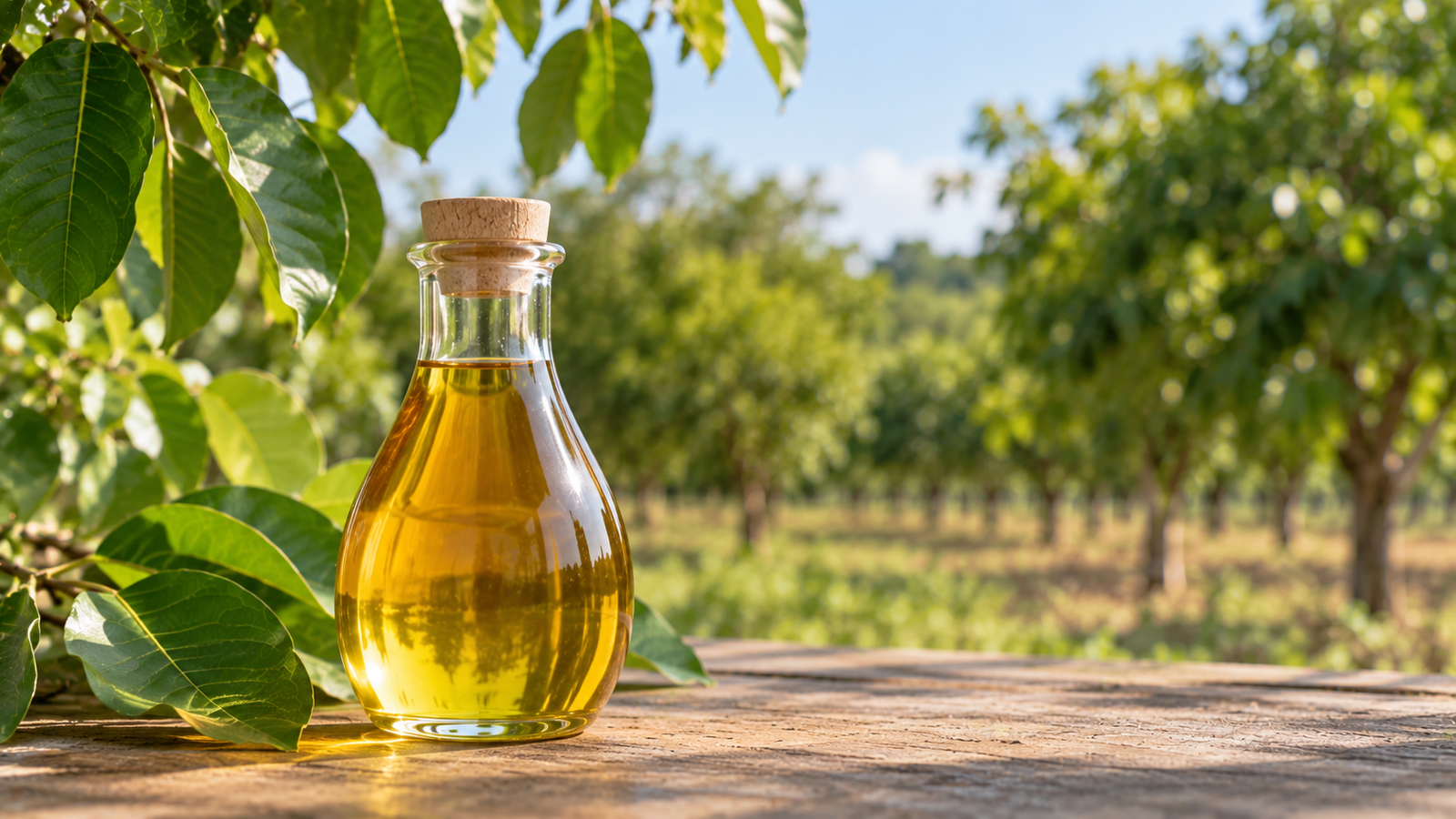
At our Masur mill, Pongamia oil intended for fuel-grade buyers is pressed, filtered and checked against parameters relevant to HEFA feedstock quality before it is released for export. That quality discipline is what turns a general commodity oil into a usable refinery input, and it is the difference Australian SAF buyers are typically screening for when they evaluate a new overseas supplier.
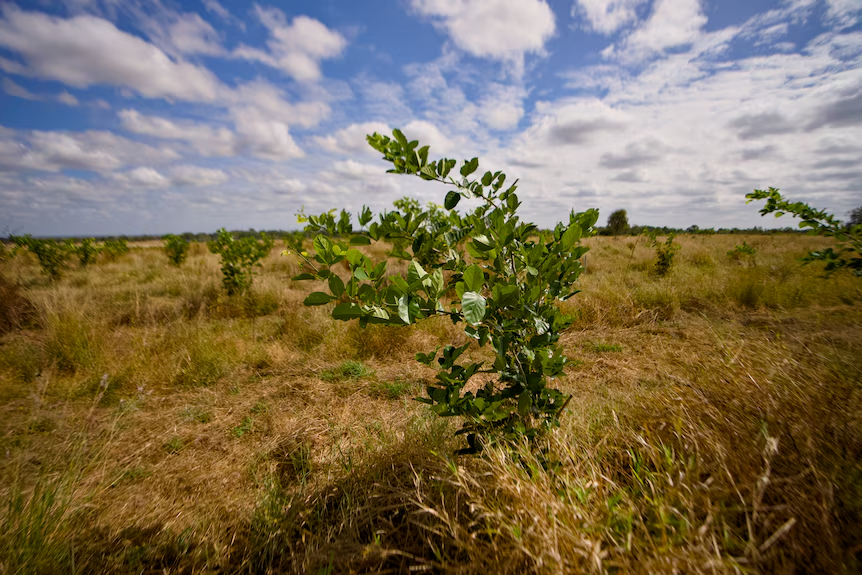
Because the oil comes from our own farmer plantation network and our own pressing operation, we can hold quality consistent across shipments rather than blending in oil of unknown provenance to fill an order, which is a common risk when sourcing through intermediary traders.
Why choose us
What Australian SAF buyers get from our Pongamia oil
Consistency, documentation and a direct line back to source are what matter once an oil enters a fuel-grade supply chain.
Consistent Quality Parameters
Oil is checked against the same specification for every export batch, not sampled once and assumed thereafter.
Single-Origin Traceability
Every litre can be traced back to the farmer network and pressing batch it came from.
Fuel-Grade Filtration
Filtration steps are tuned toward the cleanliness HEFA hydroprocessing inputs require.
Direct Mill Relationship
Buyers deal with the mill directly, not through layers of trading intermediaries.
How we prepare Pongamia oil for SAF buyers
From press to export-ready fuel feedstock
Each step is built around the quality expectations of a fuel-grade buyer.
Seed Selection
Seed from our farmer network is checked for quality before pressing.
Mechanical Pressing
Oil is extracted at our Masur mill under controlled conditions.
Filtration
Oil is filtered to reduce particulates and moisture ahead of quality testing.
Parameter Testing
Free fatty acid content and other key parameters are checked before release.
Batch Certification
Test results are logged and shared with buyers alongside shipment documents.
Export Dispatch
Oil is loaded into drums, flexitanks or ISO tanks for shipment to Australia.
Quality as a sourcing decision
Why feedstock specification matters as much as feedstock type
For an Australian SAF refiner, sourcing 'Pongamia oil' as a category is only the first decision. The second, more consequential decision is which supplier can deliver that oil to a consistent specification, shipment after shipment, because variability in feedstock quality translates directly into variability in refinery yield and operating cost.
We treat that consistency as the actual product. Rather than positioning ourselves purely as a Pongamia oil trader, we run pressing and quality control in-house, which gives us direct control over the parameters that matter for a HEFA-oriented buyer, and gives Australian refiners a supplier relationship they can build a recurring feedstock plan around rather than a one-off spot purchase.
- In-house pressing gives direct control over feedstock quality
- Free fatty acid and moisture parameters checked before every export batch
- Consistent specification supports predictable refinery performance
- A recurring supply relationship, not a one-off spot trade
Common questions
Pongamia oil for SAF — common questions
Free fatty acid content, moisture and impurity levels are among the key parameters that affect how well an oil performs in HEFA hydroprocessing.
Yes, batch-level test results and sourcing documentation are shared alongside export shipping documents.
Yes, both feedstocks run through the same HEFA hydroprocessing route and are commonly used together in a blended feedstock strategy.
Pressing and filtration are carried out in-house at our own mill, giving us direct control over parameters rather than relying on unverified third-party oil.
Explore more
Related Australia & feedstock pages
Need Pongamia oil built to a HEFA specification?
Send us your required parameters and volume and we will confirm what our current batches can meet.