Pongamia for Aviation Fuel
Pongamia Oil for SAF: A Technically Suited, Non-Edible Feedstock
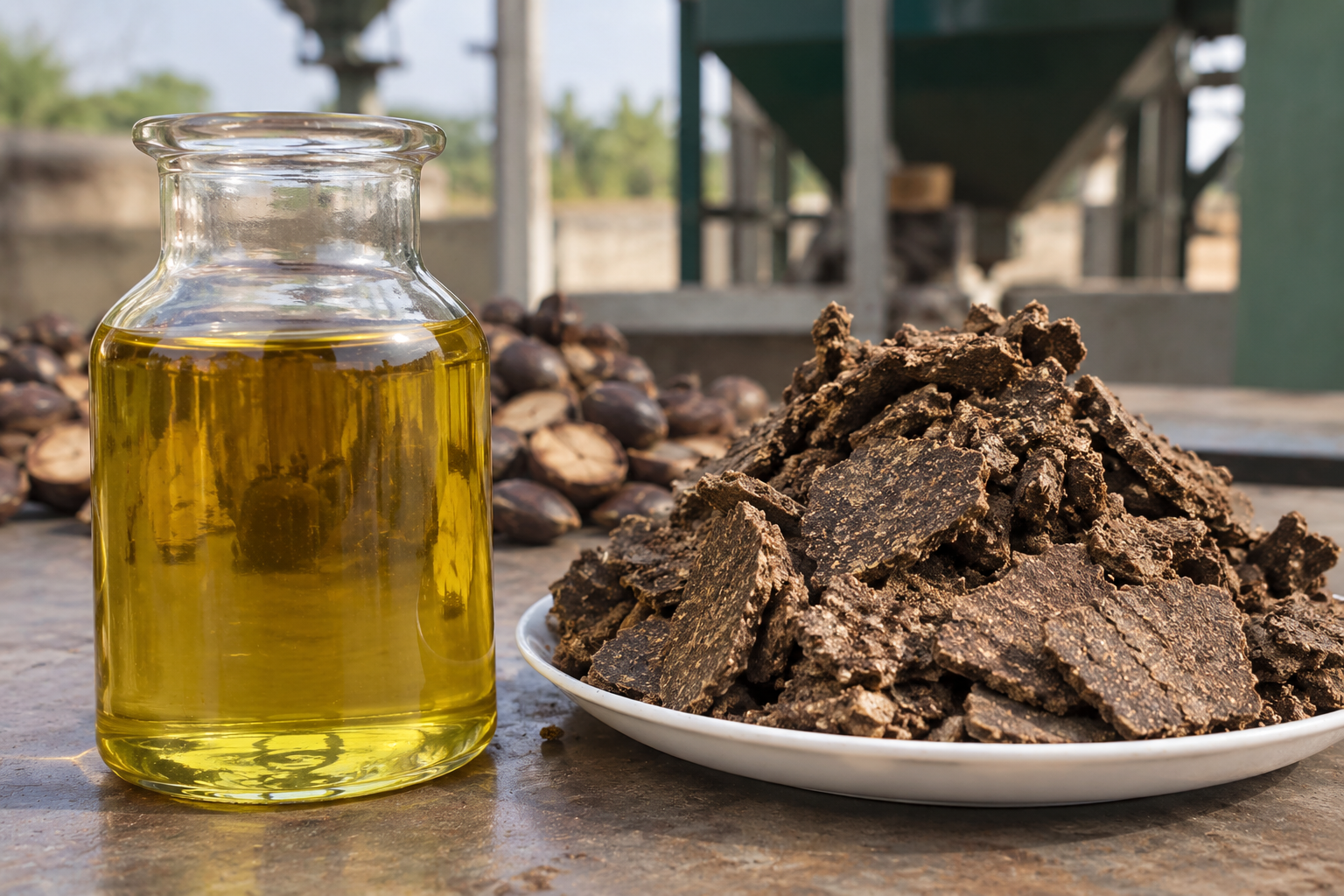
Ranjit Oil Mills India supplies Pongamia Oil for SAF applications, a non-edible, HEFA-compatible oil sourced through our own farmer plantation network and pressed at our Masur mill.
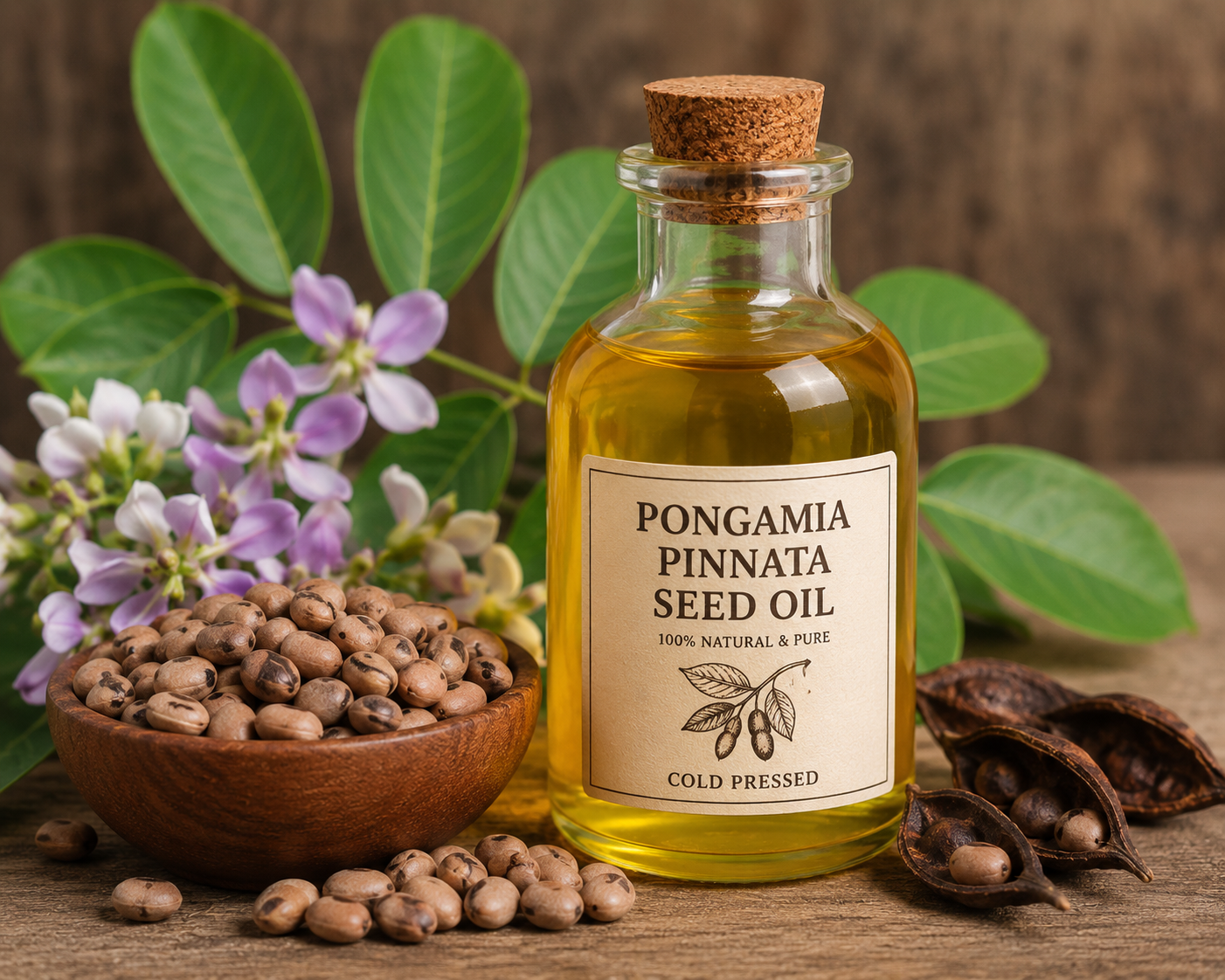
Pongamia Oil for SAF refers to using non-edible Pongamia (Karanja) crude oil as an input for Sustainable Aviation Fuel production, typically through HEFA hydroprocessing. Ranjit Oil Mills India supplies this oil from a traceable, farmer-linked plantation network in Maharashtra.
Assessing feedstock suitability
Why Pongamia oil is being evaluated for SAF
When refiners assess a new oil for Sustainable Aviation Fuel production, two questions usually come first: is the feedstock technically suitable for the processing pathway, and can it be sourced sustainably at meaningful scale? Pongamia Oil for SAF is drawing attention because it answers both reasonably well.
Technically, Pongamia oil's fatty-acid profile places it within the range of vegetable oils considered workable for HEFA (Hydroprocessed Esters and Fatty Acids) processing, the dominant commercial pathway for SAF production today. On the sourcing side, Pongamia is a non-edible oilseed tree grown on marginal land, which sidesteps the food-versus-fuel debate that has limited other biofuel feedstocks.
Ranjit Oil Mills India supplies Pongamia oil into this emerging demand, drawing on a farmer plantation network built specifically around non-edible, marginal-land cultivation, and a milling operation with decades of experience handling Karanja seed.
Why choose us
What SAF buyers should know about our Pongamia oil
Evaluating Pongamia Oil for SAF sourcing usually comes down to a few practical questions, which our supply model is built to answer.
Consistent Extraction
Oil is pressed using processes refined over decades of Karanja milling experience.
Documented Origin
Farmer sourcing and pressing records accompany every batch.
Non-Food Sourcing
Pongamia has no role in India's edible-oil market, removing food-crop competition concerns.
Scaling Supply
An expanding plantation base is designed to support growing feedstock demand over time.
Getting Pongamia oil SAF-ready
How we prepare Pongamia oil for SAF buyers
Our process is built around the documentation and consistency SAF buyers expect.
Farmer Seed Sourcing
Pongamia seed is procured from our plantation partner network.
Intake Screening
Seed quality and moisture are checked before pressing begins.
Oil Pressing
Crude Pongamia oil is extracted at our Masur, Pune facility.
Filtration
Oil is filtered to remove residual solids ahead of storage.
Quality Documentation
Batch records covering sourcing and handling are prepared.
Buyer Dispatch
Filtered, documented oil is dispatched to biodiesel and SAF-focused buyers.
The bigger supply picture
Positioning Pongamia oil alongside other SAF feedstocks
Used cooking oil currently remains the more established SAF feedstock globally, but supply constraints on UCO are prompting refiners to look at additional non-edible oil options, Pongamia among them. For buyers building a diversified feedstock strategy, adding Pongamia Oil for SAF alongside UCO can reduce dependence on any single feedstock category.
We supply both from the same operation, which means buyers working with us on Pongamia oil can also explore our used cooking oil supply as part of a combined, single-source feedstock strategy if that fits their sourcing plans.
Common questions
Pongamia oil for SAF — common questions
Pongamia oil is being actively evaluated by producers as a HEFA-pathway feedstock; specific certification and approval status depends on individual buyers' production and certification processes.
Pongamia oil's composition places it among vegetable oils considered technically workable for hydroprocessing, similar in principle to other non-edible oils used in HEFA pathways.
Both are non-edible feedstock options; UCO is currently more established globally, while Pongamia offers a growing, farmer-cultivated supply base as an additional source.
Sample availability can be discussed directly with our team based on your evaluation and testing requirements.
Explore more
Related feedstock solutions
Evaluating Pongamia Oil for SAF production?
Reach out to discuss specifications, sample availability and supply volumes.