Pongamia for SAF
Pongamia SAF Feedstock: A Non-Edible Oil Built for Aviation Fuel
As demand for Pongamia SAF Feedstock grows among refiners exploring HEFA-based Sustainable Aviation Fuel production, Ranjit Oil Mills India supplies non-edible Pongamia (Karanja) oil from a traceable, farmer-linked plantation network in Maharashtra.
Pongamia SAF Feedstock refers to non-edible Pongamia (Karanja) oil used as an input for Sustainable Aviation Fuel production through HEFA-type processing. Ranjit Oil Mills India supplies this feedstock from a farmer-linked plantation network based in Masur, Pune.
Why refiners are looking at Pongamia
Pongamia's case as an SAF feedstock
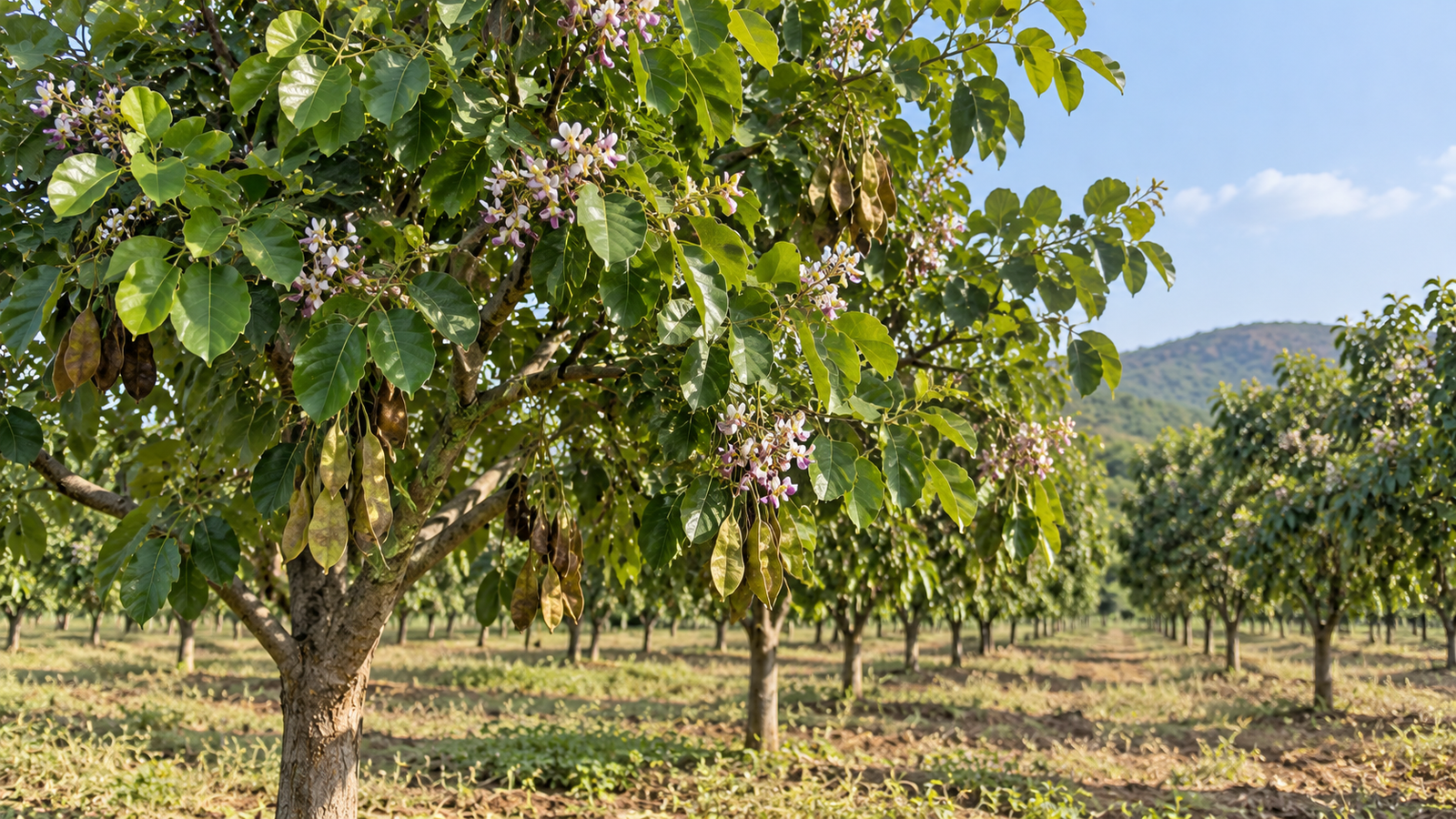
As Sustainable Aviation Fuel demand accelerates globally, refiners are actively searching for feedstocks that avoid the food-versus-fuel debate that has followed earlier generations of biofuel. Pongamia SAF Feedstock is gaining attention precisely because it clears that bar: Pongamia is a non-edible oilseed tree that grows well on marginal and wasteland areas unsuited to food-crop cultivation.
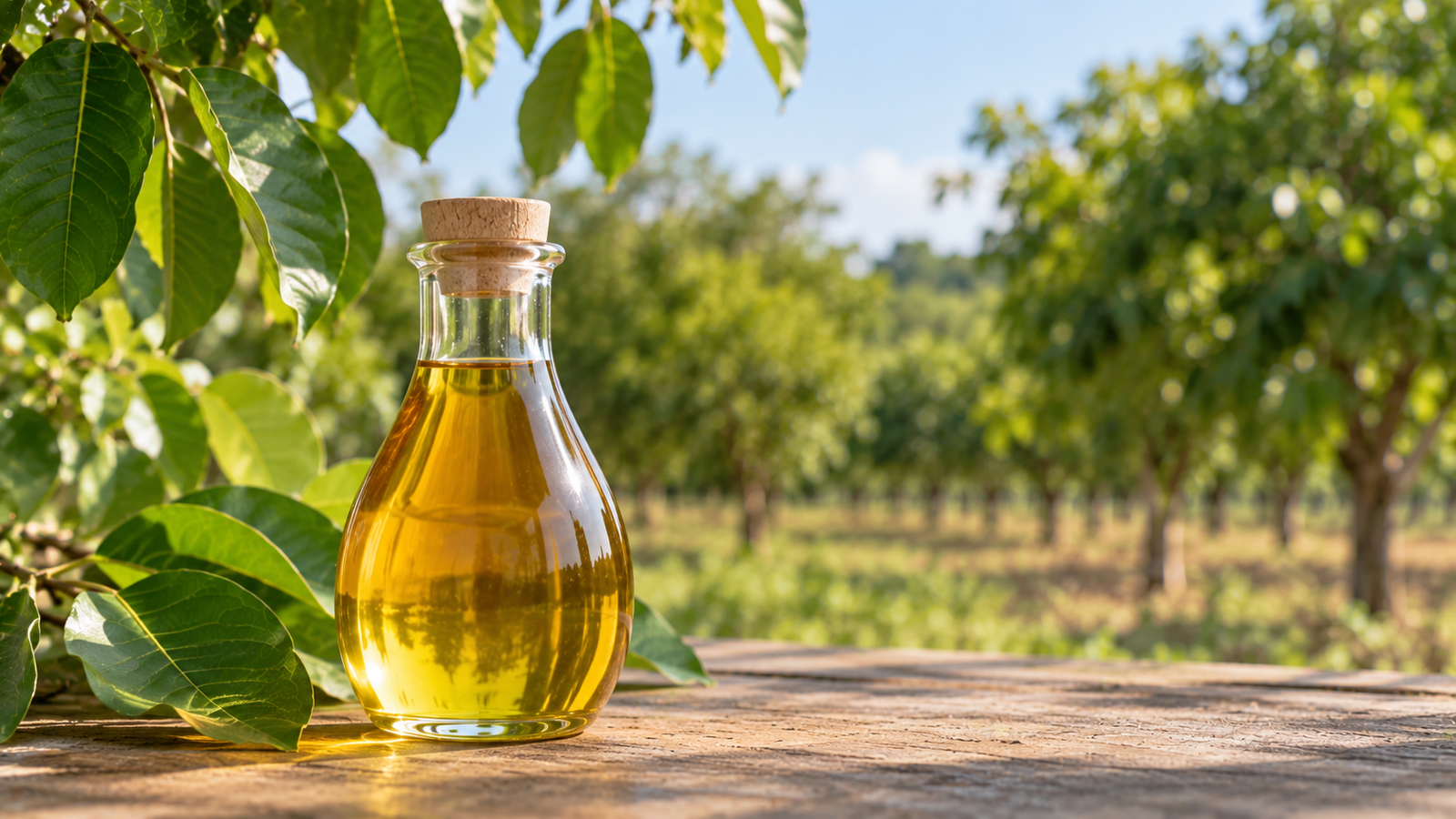
Ranjit Oil Mills India supplies Pongamia oil into exactly this conversation. Our mill in Masur, Pune, presses crude Pongamia oil sourced from a growing network of farmer plantation partnerships, oil that can be processed through HEFA (Hydroprocessed Esters and Fatty Acids) pathways alongside other established SAF feedstocks such as used cooking oil.
Because Pongamia trees can keep producing seed for decades once established, a Pongamia SAF feedstock supply chain also offers something rarer in the biofuel world: a long-term, renewable raw-material base rather than a one-off harvest.
Why choose us
What makes our Pongamia SAF feedstock credible
Refiners evaluating Pongamia SAF Feedstock options look for the same fundamentals we've built our supply chain around.
Genuinely Non-Edible
Pongamia oil has no role in India's food-oil market, avoiding food-versus-fuel concerns.
Marginal-Land Sourcing
Plantations are grown on wasteland, not land suited to food crops.
Farmer Traceability
Seed is sourced through direct, documented plantation partnerships.
Multi-Decade Supply
Mature Pongamia trees keep producing seed for years, supporting long-term offtake.
From tree to SAF-ready oil
How Pongamia becomes a SAF feedstock
Our supply chain is designed with SAF-grade traceability in mind from the outset.
Plantation Sourcing
Pongamia seed is grown under our farmer plantation programme on marginal land.
Seasonal Harvest
Seed is collected each season once trees reach productive maturity.
Pressing at Masur
Seed is pressed into crude Pongamia oil at our own mill.
Quality Screening
Oil is checked against quality parameters relevant to downstream processing.
Documentation
Sourcing and handling records are prepared to support HEFA-pathway traceability needs.
Dispatch to Buyers
Crude Pongamia oil is supplied to biodiesel and SAF-focused buyers.
The technical fit
Why Pongamia oil suits HEFA-based SAF production
Pongamia oil's fatty-acid composition places it among the vegetable oils considered suitable for hydroprocessing into Sustainable Aviation Fuel, similar in principle to other non-edible oils already used in HEFA pathways internationally. Refiners evaluating new feedstock sources have shown growing interest in Pongamia specifically because of this combination of technical suitability and non-edible sourcing credentials.
As global SAF mandates expand and feedstock competition increases, we expect Pongamia SAF Feedstock supply from India to become an increasingly important part of the conversation, and our own plantation network is scaling with that expectation in mind.
Common questions
Pongamia SAF feedstock — common questions
Pongamia oil is being actively evaluated by several producers as a HEFA-pathway feedstock, alongside more established options such as used cooking oil.
It is non-edible and typically grown on marginal or wasteland areas, which avoids competing with food-crop land use.
Volumes depend on our expanding plantation network's seasonal seed output; our team can discuss current and projected supply capacity directly.
We maintain sourcing and handling records intended to support the traceability documentation SAF buyers and certification schemes typically require.
Explore more
Related feedstock solutions
Evaluating Pongamia SAF Feedstock for your production line?
Speak with our team about volumes, quality specifications and supply timelines.